GENERATIVE ART
Scar Geometry
Scar Geometry begins with a wound. The cut, the pit, the impoundment, the corridor carved through living ground by industrial extraction. These interventions leave a particular kind of mark: geometric, deliberate, scaled to logistics rather than ecology. From the air they read as abstraction. On the ground they are the conditions under which everything that comes next must grow.
The series explores what happens after the machinery leaves. Contamination settles into the substrate. Pioneer species take hold at the margins, where toxicity is low enough to allow a foothold, and succession moves slowly inward, following the chemistry of the ground. The wound doesn't heal so much as it gets inhabited. The geometry of extraction becomes, over time, the armature for a different kind of order.
Each piece is a generative artwork that runs this process as a living animation. A unique seed determines the wound's character: its shape, its chemistry, the pace at which life returns. Viewers can adjust the density of marks, the weight of the scar, how aggressively succession colonizes the ground. The work is never quite the same twice. Edward Burtynsky's aerial documentation of industrial landscapes sits behind the visual logic of the series, and Agnes Martin's patient grids inform the fine, accumulating mark system that builds across the surface over time.
The wound is still there. It always will be. But it is no longer only a wound.
Scar Geometry is part of Disturbed Ground, a body of generative work made from industrial landscapes at the scale where extraction becomes abstraction.
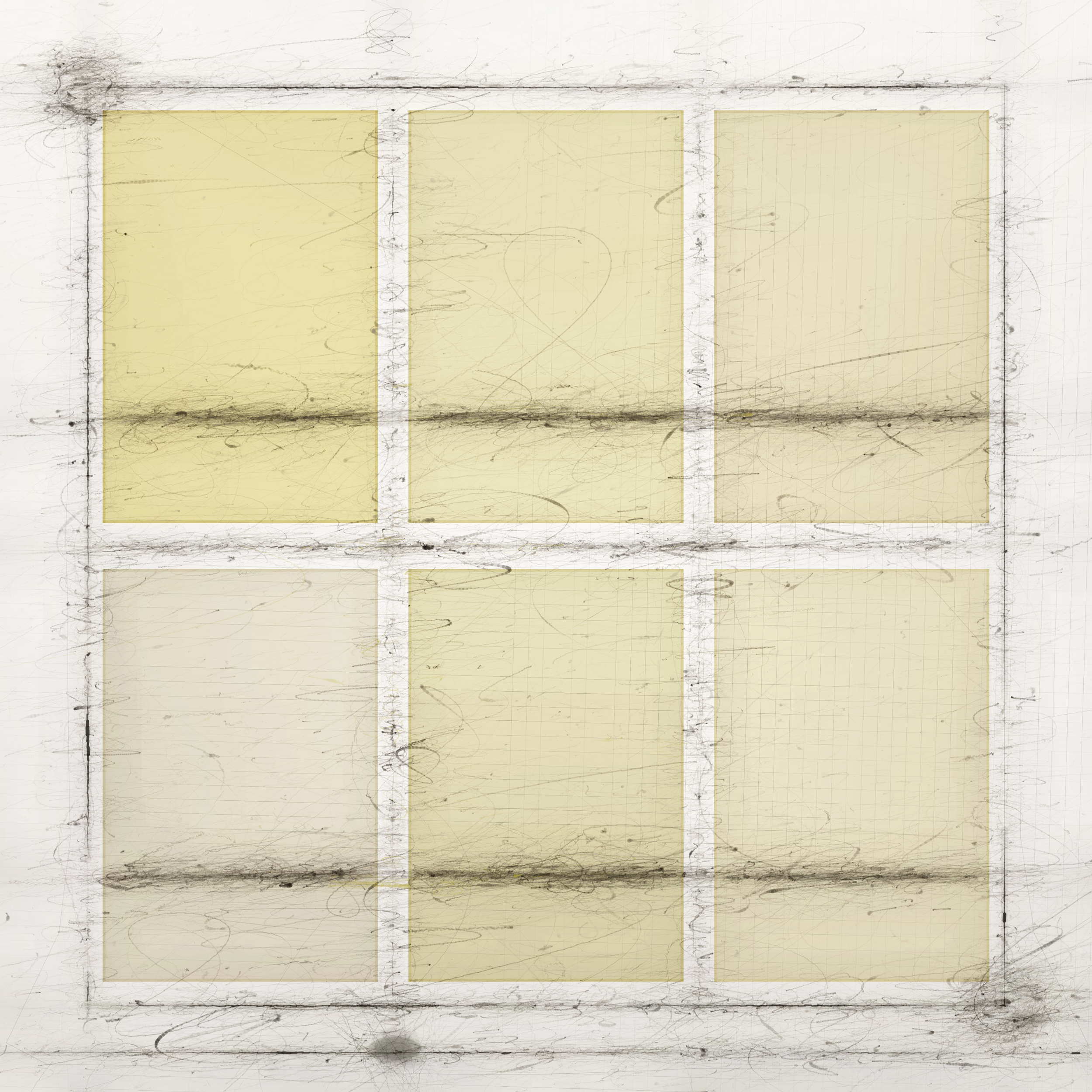
Cooling Pond Array | 19
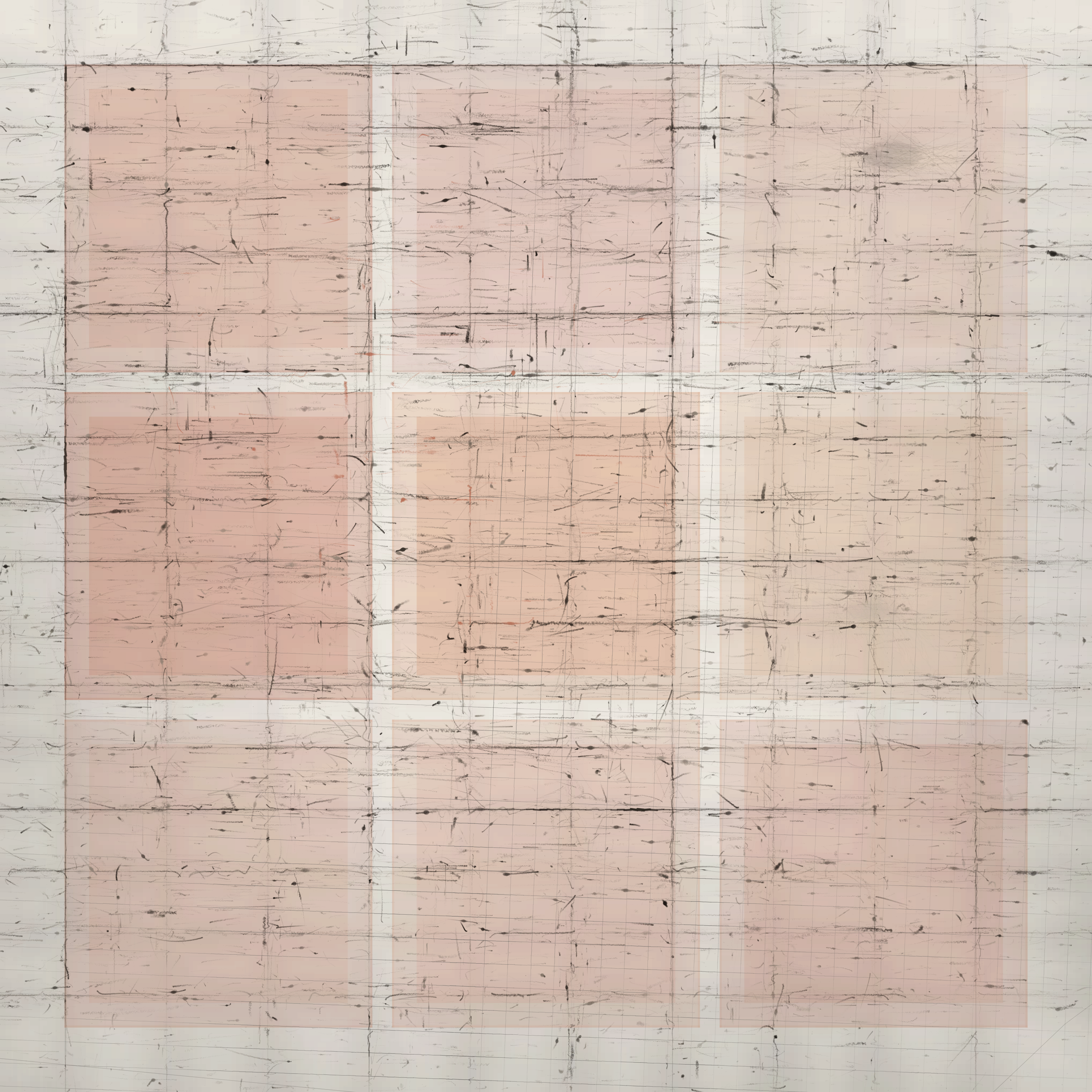
Salt Pond | 42
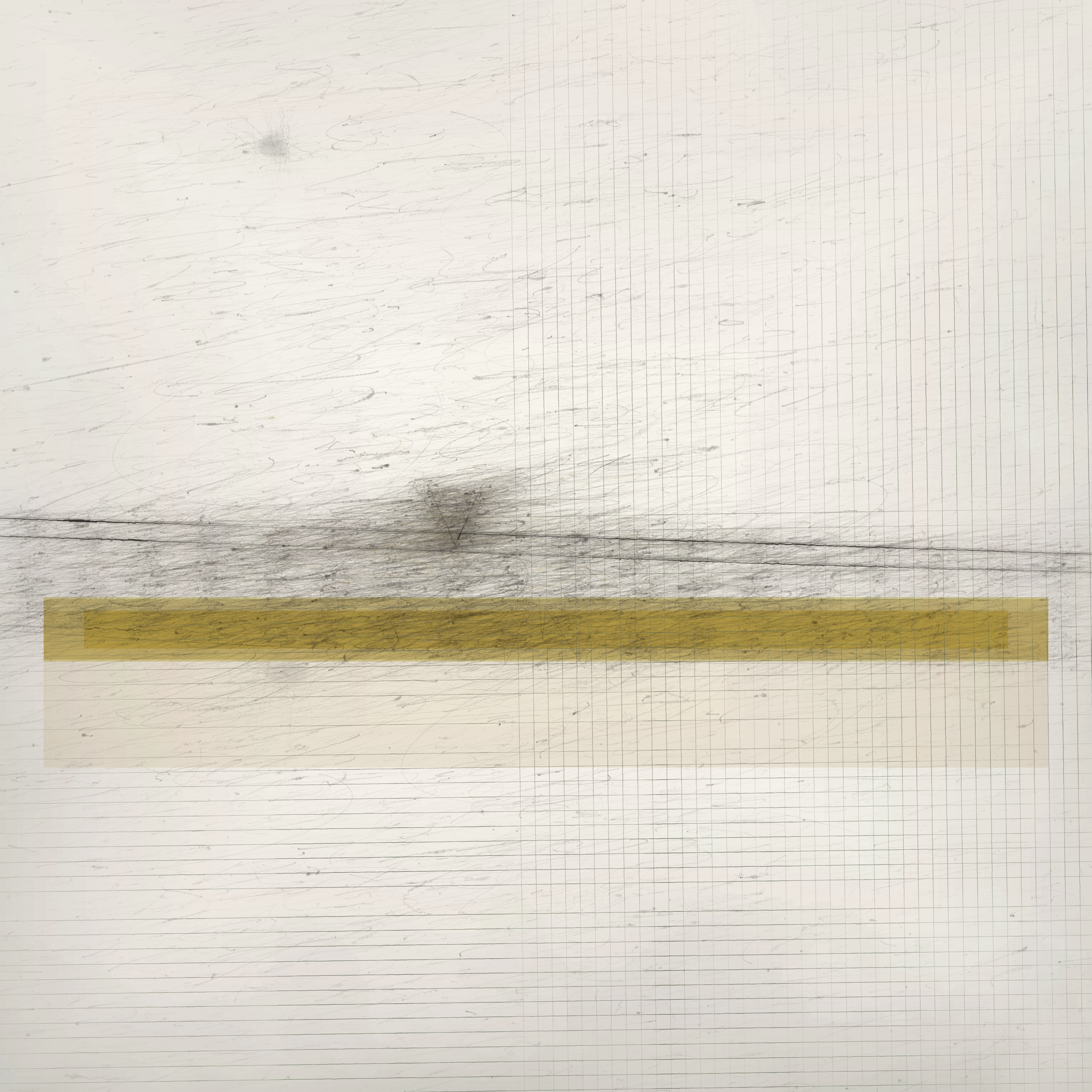
Levee | 35
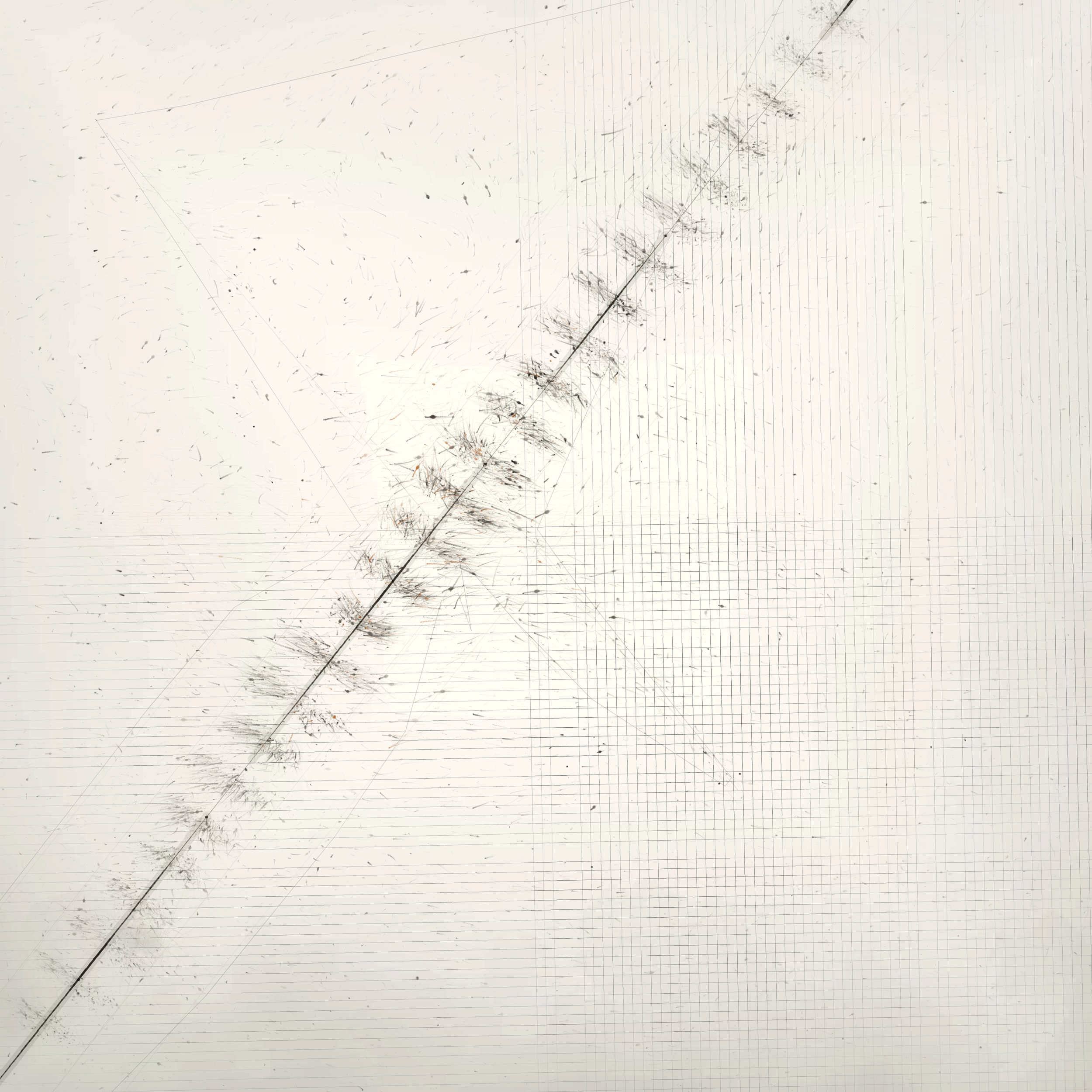
Scratch | 45
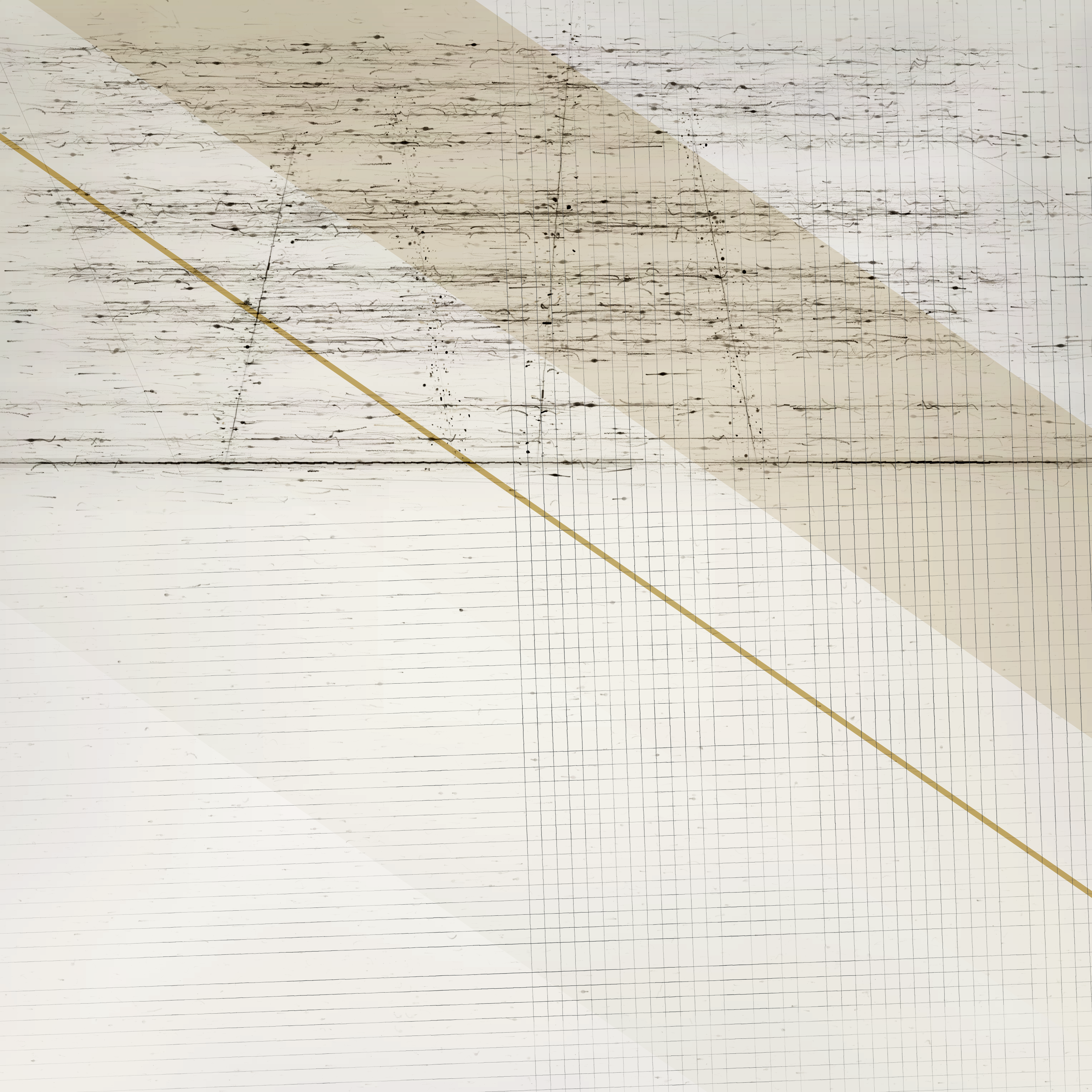
Clearcut Margin | 32
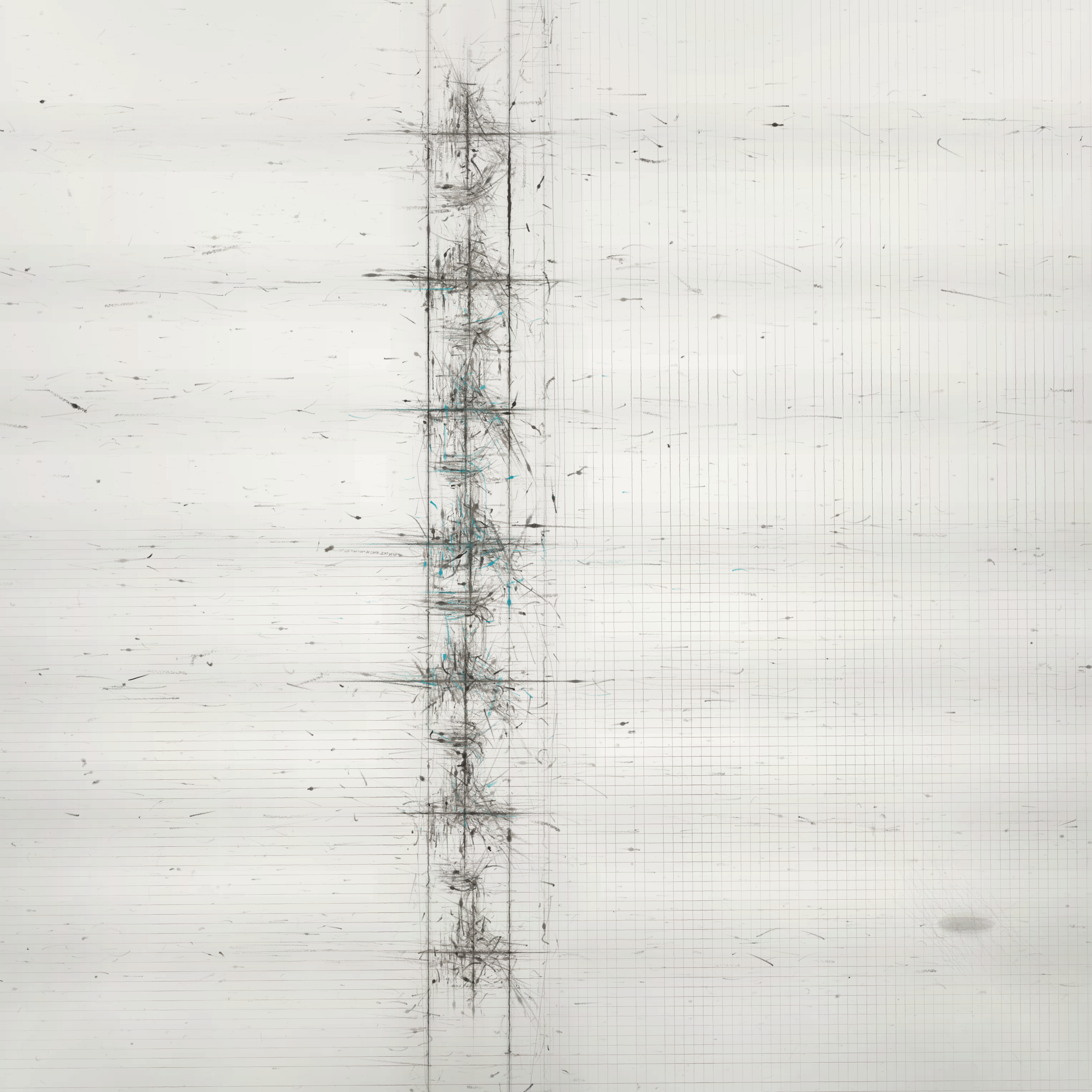
Transmission Cut | 58
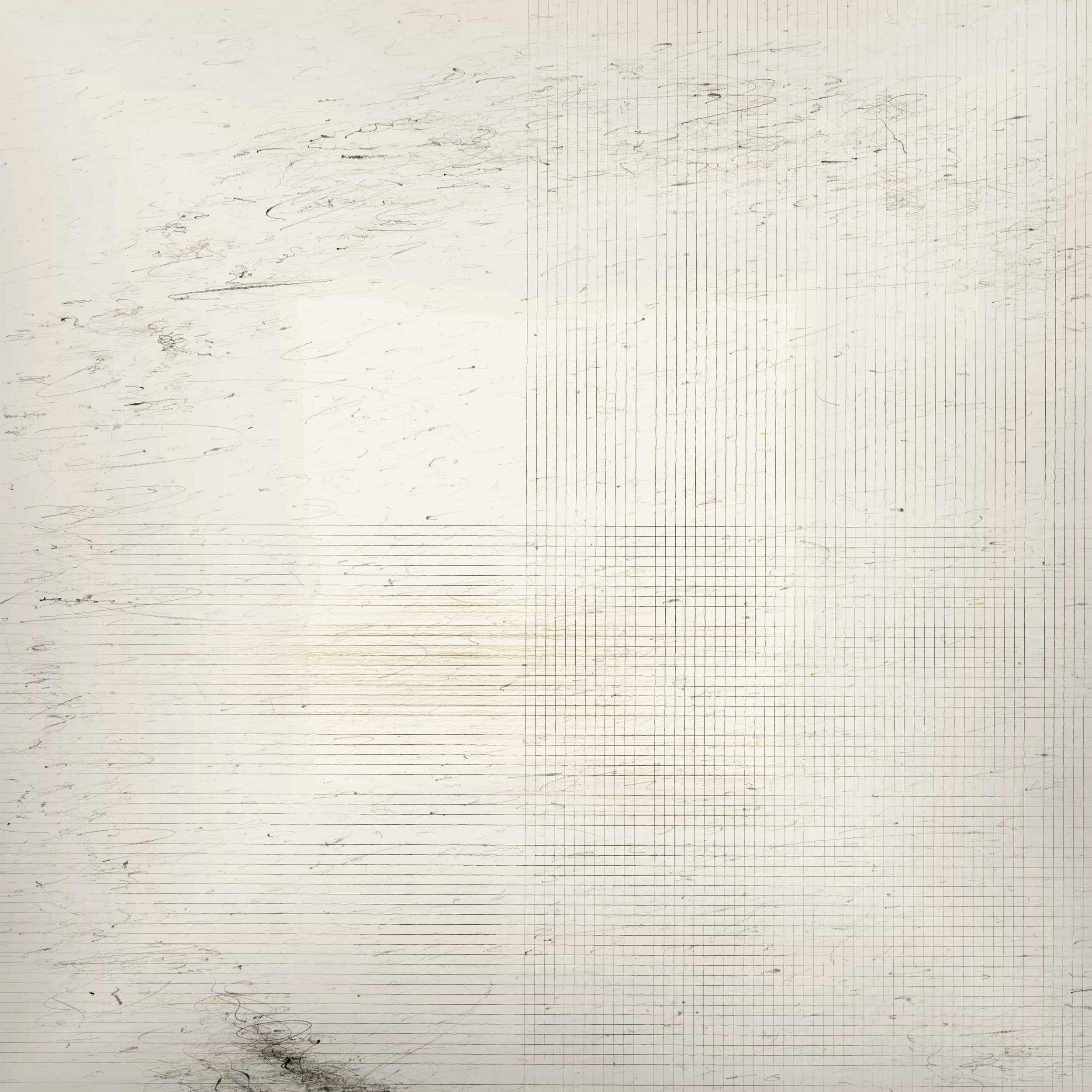
Levee | 60895
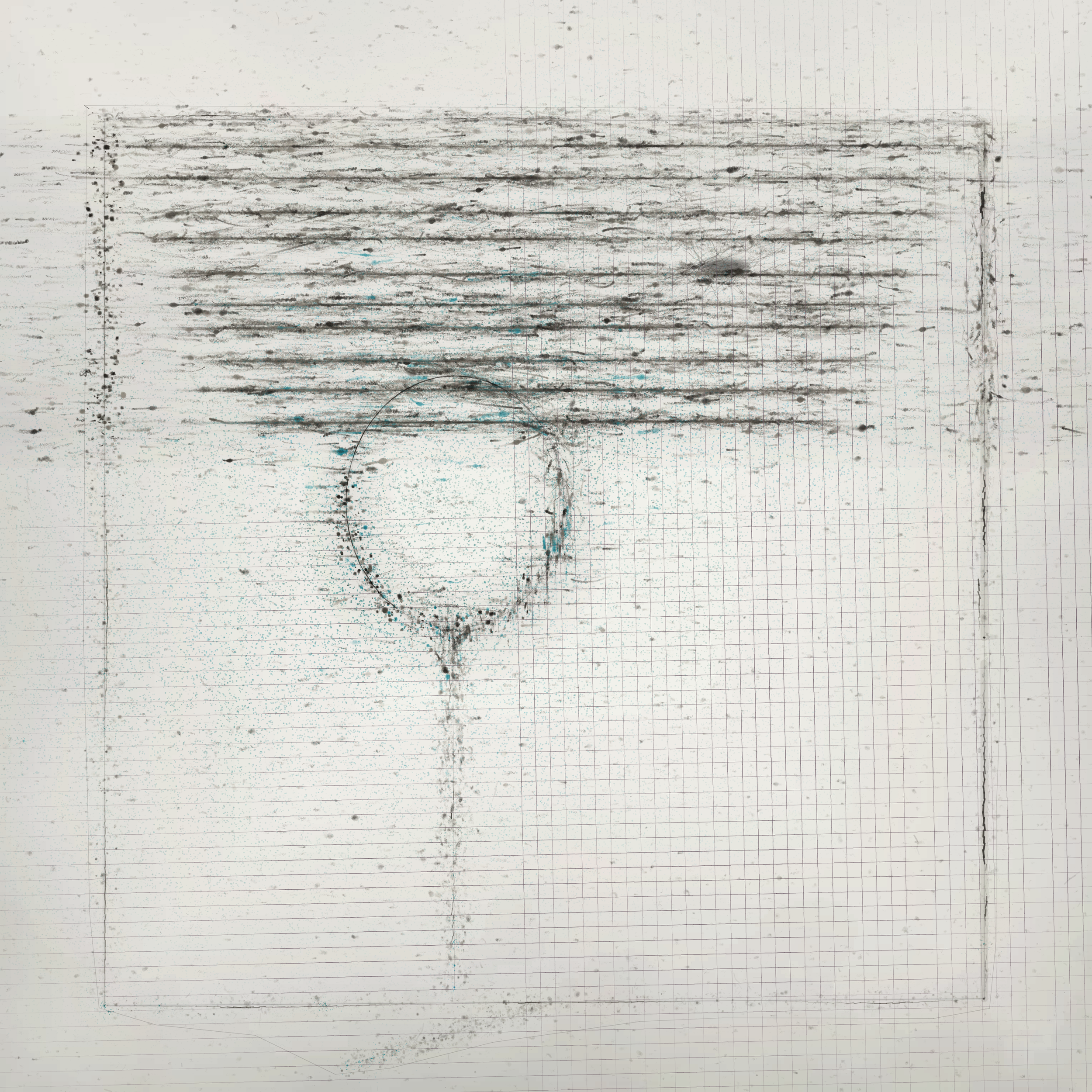
Tailings Impoundment | 34
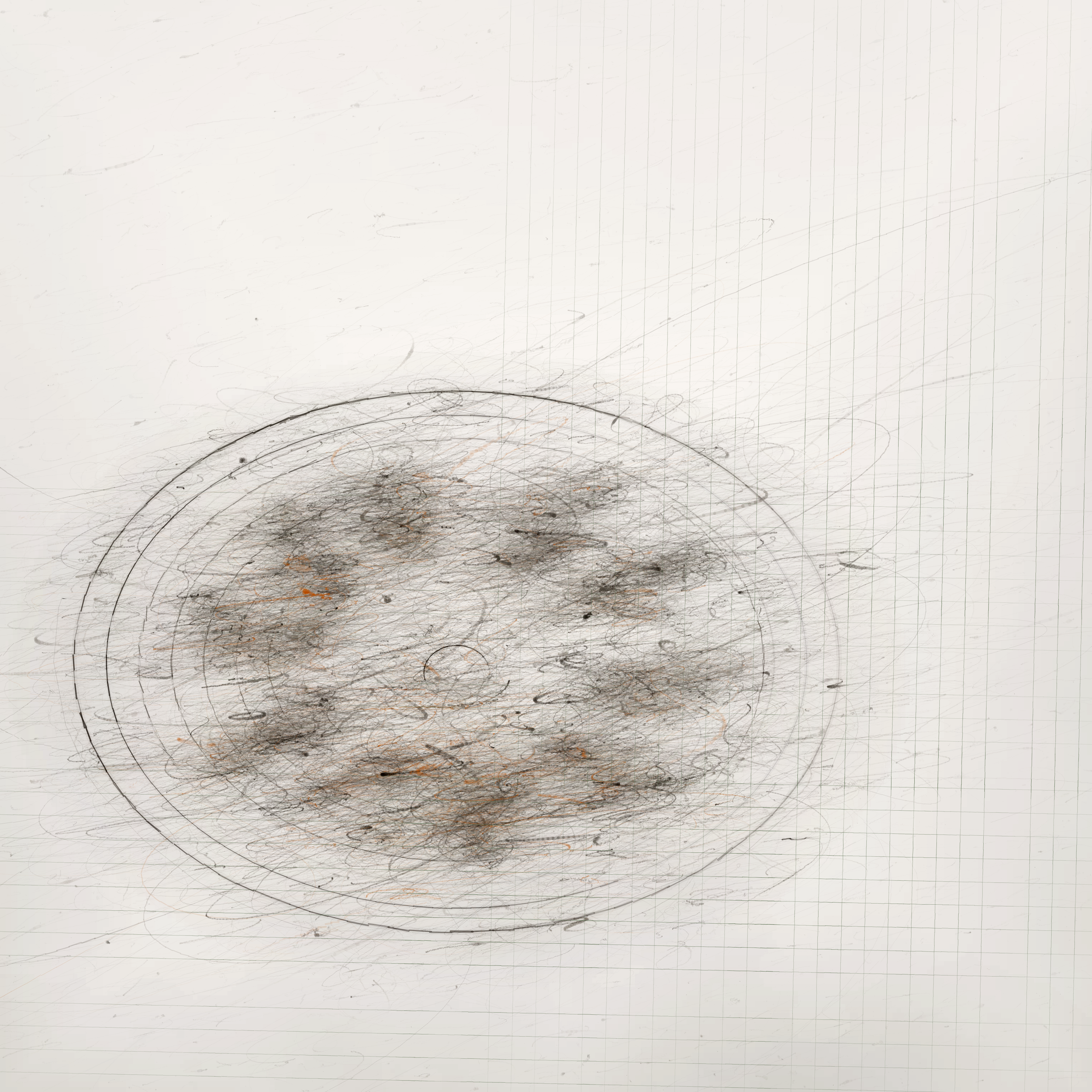
Open Pit Benches | 51
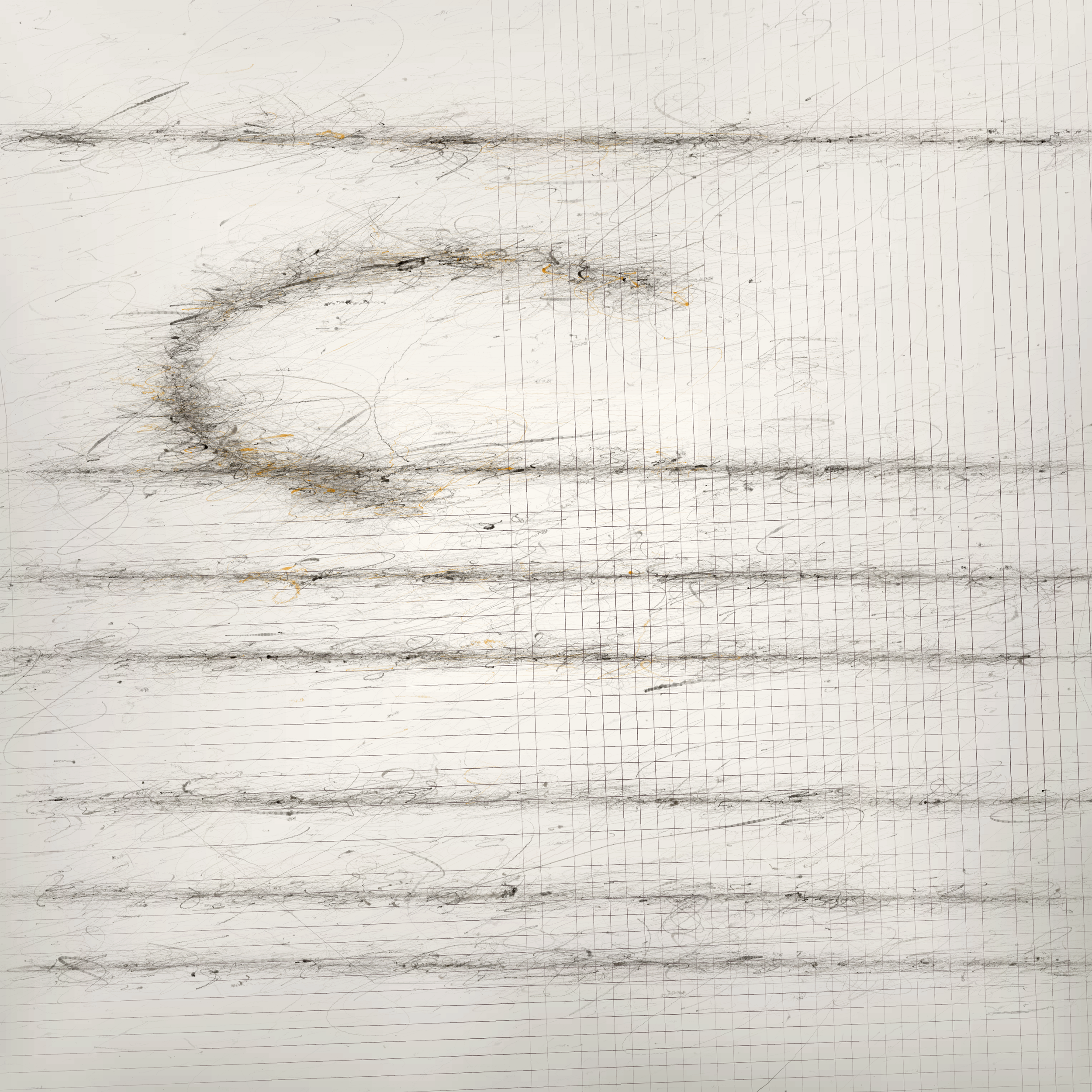
Arc Tension | 528
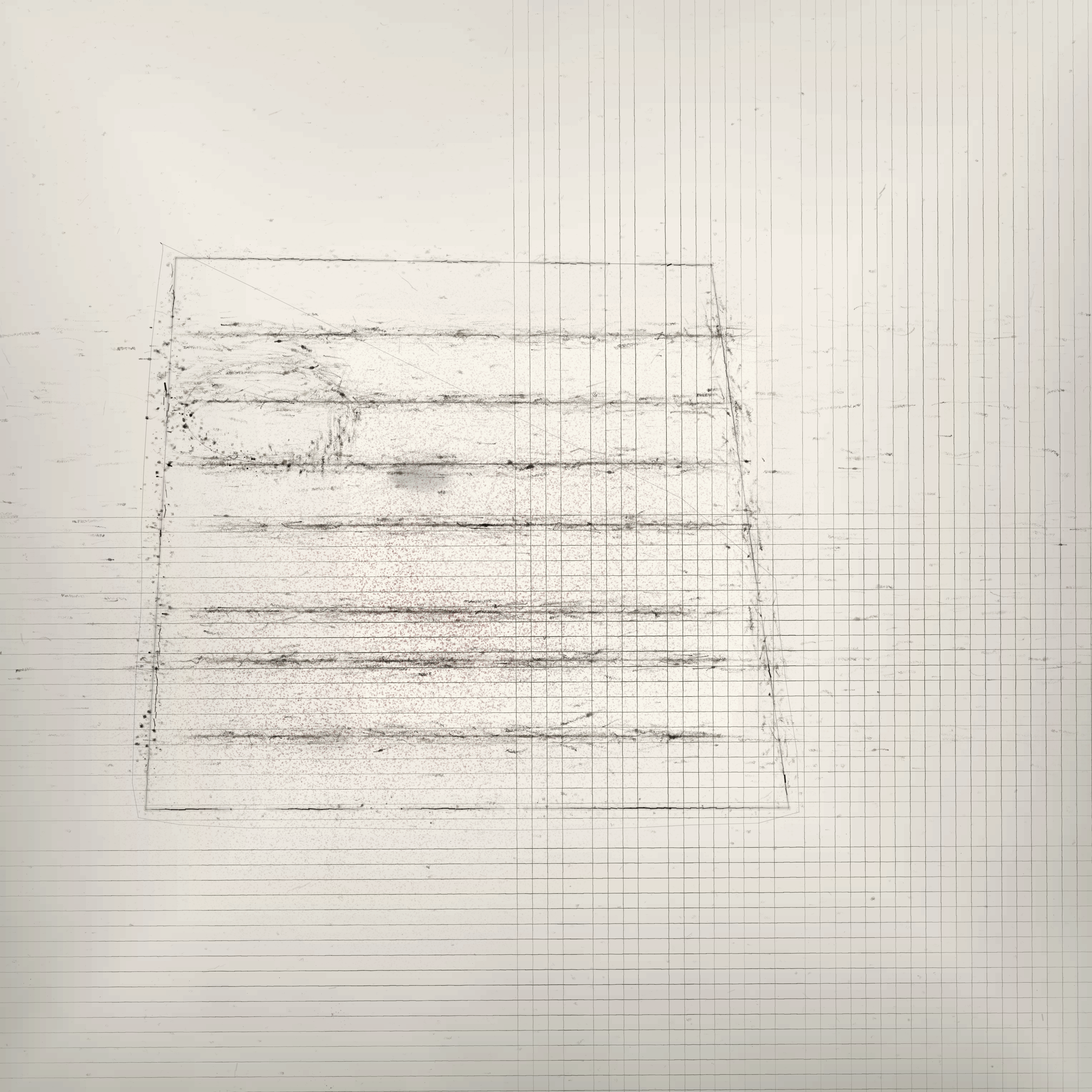
Tailings Impoundment | 23354
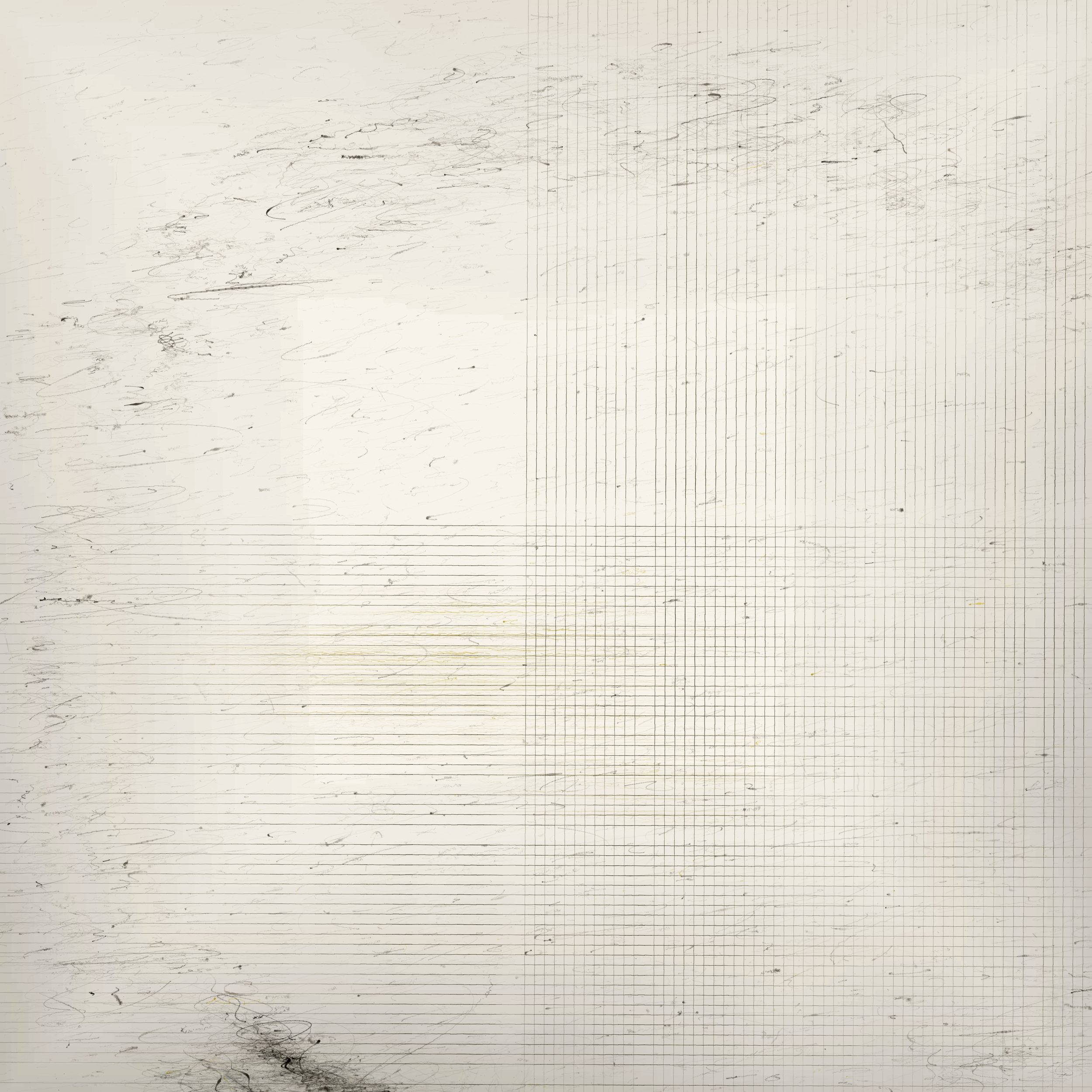
Levee | 60895