GENERATIVE ART
Disturbed Ground Series
The land holds its injuries in pattern.
Open pit mines, tailings ponds, lithium mines, irrigation circles: from above, the marks we leave on the earth resolve into something almost ornamental. Disturbed Ground explores these aerial geometries of extraction, the slow return of vegetation to scarred ground, and the formal, alien beauty of things that probably shouldn't be beautiful at all.
I work from a personal archive of satellite imagery, hundreds of images of mines, quarries, salt flats, and agricultural systems, looking for the moments where industrial logic and natural process start to blur together. A center pivot irrigation field is a circle drawn by machinery, but given enough time it also becomes a record of drought, of soil exhaustion, of whatever manages to grow back at the edges. A tailings pond is a wound, but it's also a surface, with its own colors and currents and slow chemistry. I'm interested in that double reading, the engineered and the organic occupying the same mark.
These liminal places are always mid-transformation, and the changes happening now sit on top of the changes that came before. That layering is central to this work. These landscapes carry the ghosts of past use the way old paper carries the impression of writing that's been erased. A mine closes, but the pit remains, filling slowly with water and color. A field gets abandoned, but the lines of the irrigation system stay legible in the vegetation for decades. The land doesn't forget. It just keeps writing new marks over the old ones, so that what you're looking at is never really one moment, it's an accumulation of all the moments from before, and a suggestion of moments to come.
Using code as a drawing instrument, each piece in the series is built as a system rather than a single image. I write rules for how marks accumulate, how lines erode, how scars form and sometimes heal over. Then I let the system run. The process is inexorable: once the rules are set, the piece develops according to its own internal logic, the way a landscape develops according to geology, weather, and use. What comes out the other side is a one time accumulation of thousands of small decisions made by the code, but it's also legible as part of a family. You can see the shared DNA across pieces even as each one finds its own form.
Disturbed Ground isn't trying to make a tidy argument about extraction or land use. It's more interested in sitting with the contradiction: that the places we've damaged most are often the places that produce the strangest, most unexpected beauty, and that beauty doesn't cancel out the damage, it just sits alongside it. The work is an attempt to hold both of those things at once, in a form that keeps generating new versions of that tension, piece after piece.
S-01 _ Scar Geometry
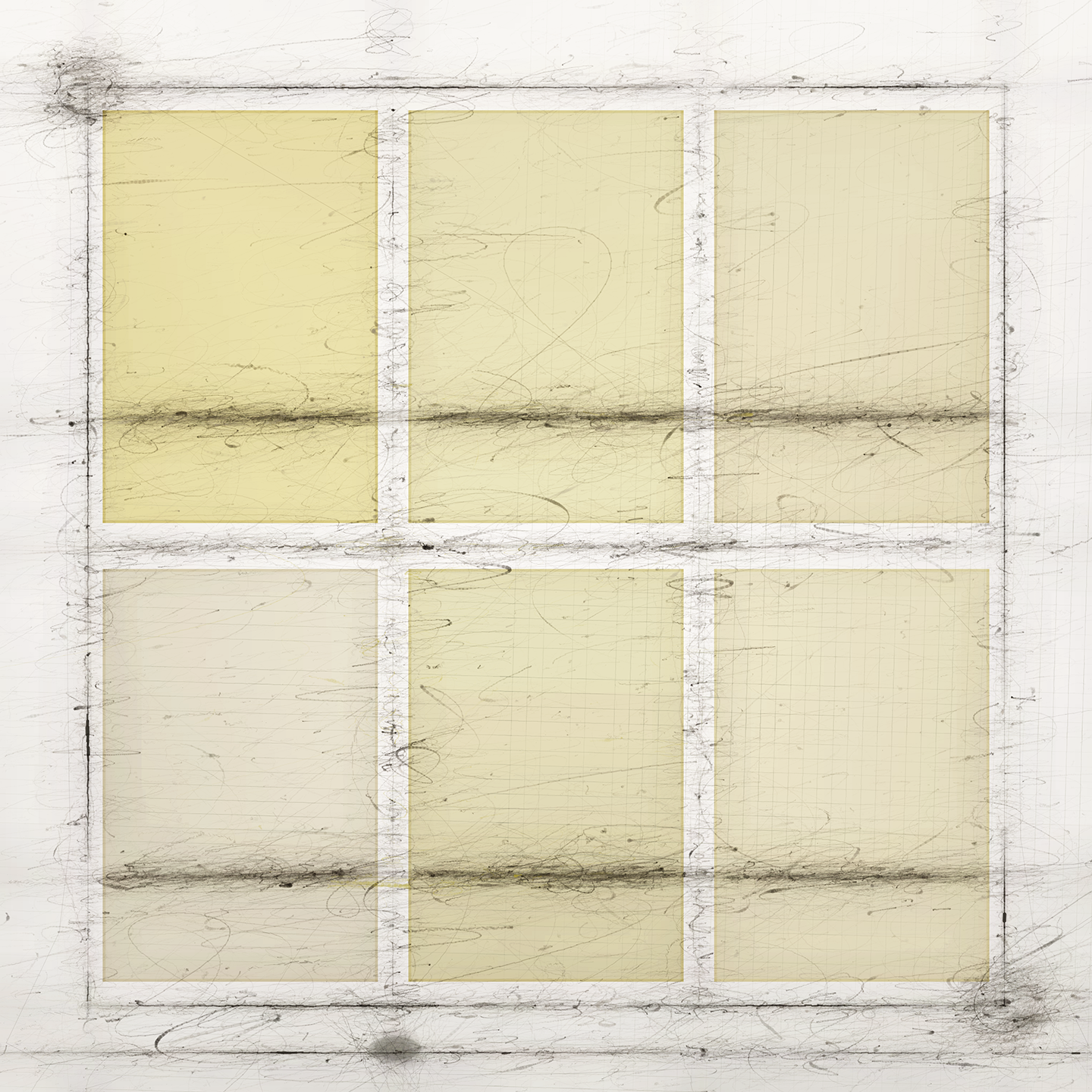
Scar Geometry explores what happens after the machinery leaves. Contamination settles into the substrate. Pioneer species take hold at the margins, where toxicity is low enough to allow a foothold, and succession moves slowly inward, following the chemistry of the ground. The wound doesn't heal so much as it gets inhabited. The geometry of extraction becomes, over time, the armature for a different kind of order.
S-02 _ Salar
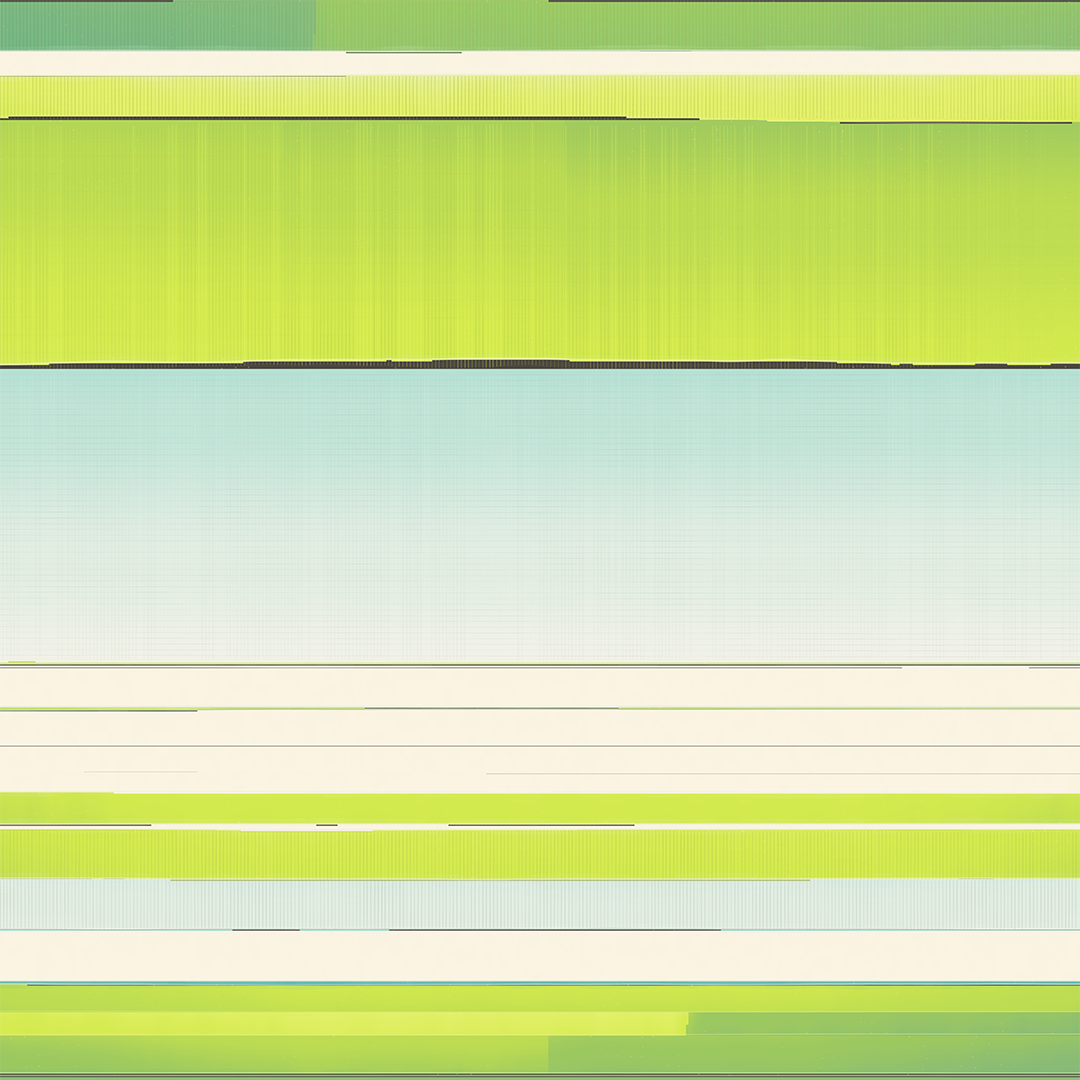
From altitude, lithium brine evaporation ponds look like Rothko paintings dropped into the desert. Vivid aquamarines, deep cobalts, and caustic yellows arranged in bands, separated by thin earthen berms. The fact that these are industrial extraction sites, some of the most chemically aggressive landscapes humans have ever made stood in stark contrast to their beauty.
S-03 _ Tailings
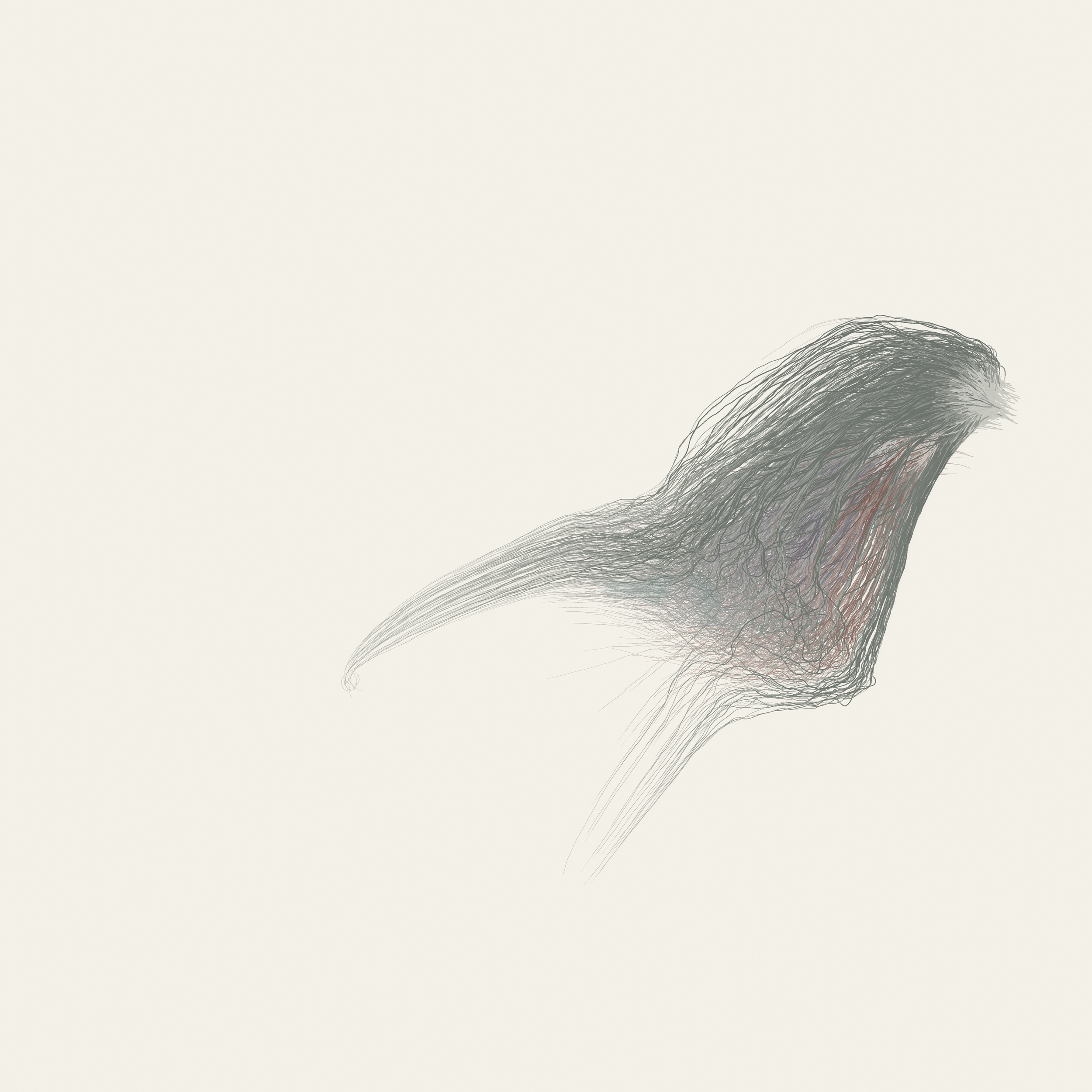
Tailings is a formal exploration of the destructive beauty of mining waste. What does it look like when one act of deposition erases the one before it. Each piece in this series simulates a small patch of ground where discharge from one or more sources runs downhill, drops its sediment, and slowly buries its own tracks. Where two sources meet, their deposits compete. One run gets cut short, truncated by material that arrived later and from somewhere else. What's left behind isn't a record so much as the residue of forgetting.